Executive Summary
- Automation modernization is not only a hardware exchange. It is a managed transition of functions, interfaces, operating procedures and cyber-security assumptions across legacy and new environments.
- The central engineering challenge is to replace or upgrade control systems while preserving plant stability, operator confidence and a traceable migration path.
- Retrofit complexity rises when multiple generations of equipment, undocumented logic, non-standard interfaces and limited shutdown windows are involved.
- A successful program therefore needs a structured modernization basis: inventory, target architecture, migration sequence, cut-over logic, test concept and operational fallback strategy.
Key Figures
Modernization LayersField · Control · SCADA/HMI · Network · Cyber
Core WorkstreamsInventory · Gap Analysis · Migration · FAT/SAT
Highest Risk PointCut-over and recommissioning
Essential ConstraintProduction continuity
Technical Figure
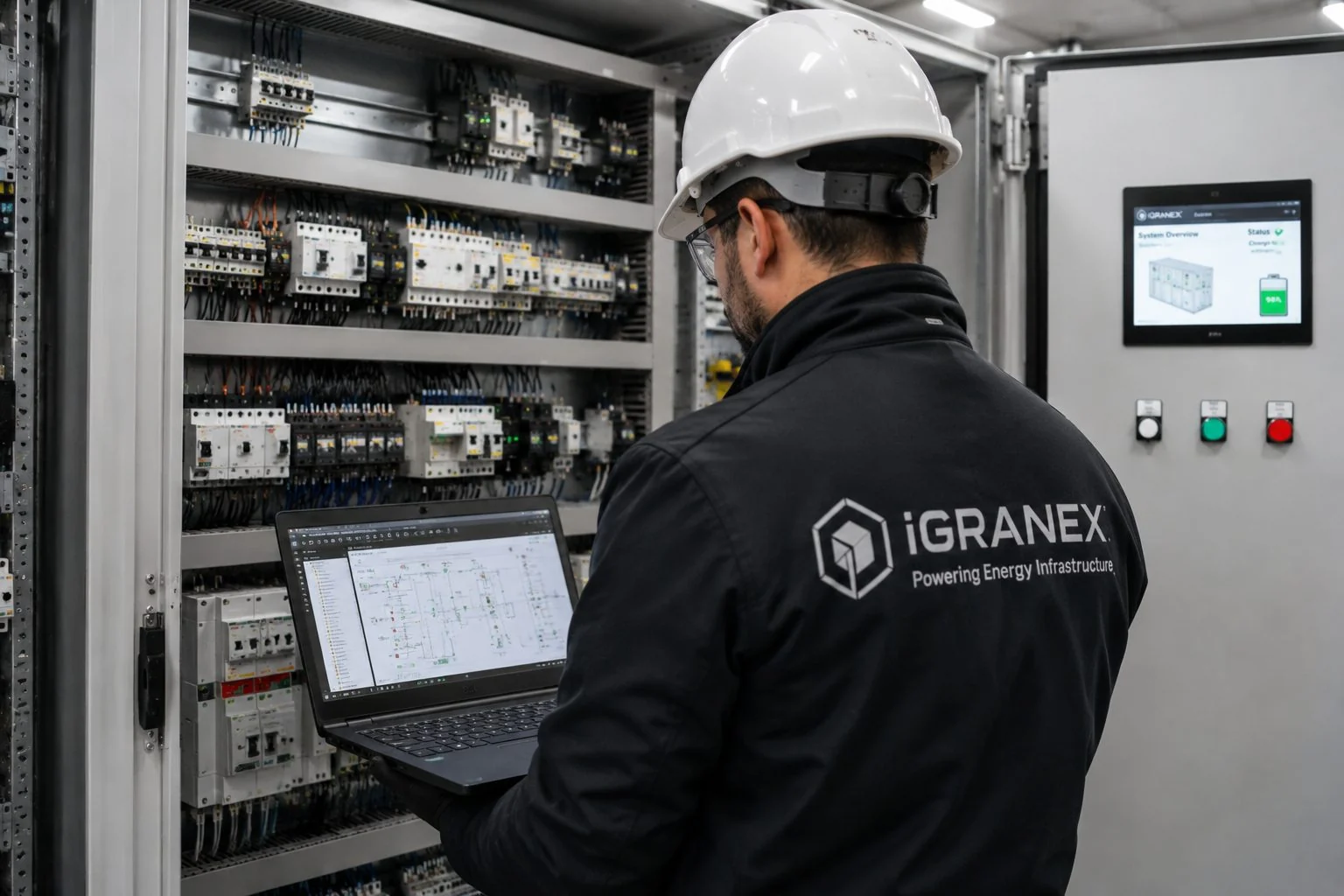 Figure 1. Automation modernization should preserve operational control while upgrading panel technology, software environment, diagnostics and lifecycle support.
Technical Discussion
Why retrofit differs from greenfield
Legacy systems carry embedded plant knowledge, undocumented workarounds and operational habits. Modernization must therefore protect functional continuity while improving maintainability, security and spare-parts availability.
Required baseline
Before design starts, the project should define installed base, functional architecture, communication networks, I/O structure, software dependencies, alarm philosophy, sequence logic, shutdown opportunities and critical operator actions. Without this baseline, migration planning remains speculative.
Migration strategy
A robust strategy defines what is replaced when, how temporary coexistence is handled, which signals are validated, what fallback measures exist and which test steps prove readiness before final cut-over.
Execution implications
Where modernization is phased and clearly documented, plant operators gain predictability, contractors receive a usable technical basis and commissioning teams can test against agreed scenarios instead of assumptions.
Figure Captions
References / Standards
IEC 61131-3 — Programmable controllers
IEC 62443 series — Security for industrial automation and control systems
IEC 61850 / IEC 60870 communication standards where applicable
IEC 60204-1 — Safety of machinery, electrical equipment of machines
ISA-95 / IEC 62264 — Enterprise-control system integration
IEC 61010 / IEC 61439 where relevant for control-panel modernization
Note: Project-specific utility, client and local regulatory requirements must always be added to the standards baseline.
Recommended iGRANEX Packages
iGRANova ValueIdentifies modernization opportunities, performance improvement measures and value-oriented retrofit priorities.
iGRASupply ExcellenceSupports package structuring, technical scope definition and supplier alignment for modernization projects.
iGRAProject ControlCoordinates migration steps, technical interfaces and commissioning logic through implementation.
The page is optimized for print and Save-as-PDF output for a whitepaper-style technical brief.